10 Best Engine Load Levelers for 2026
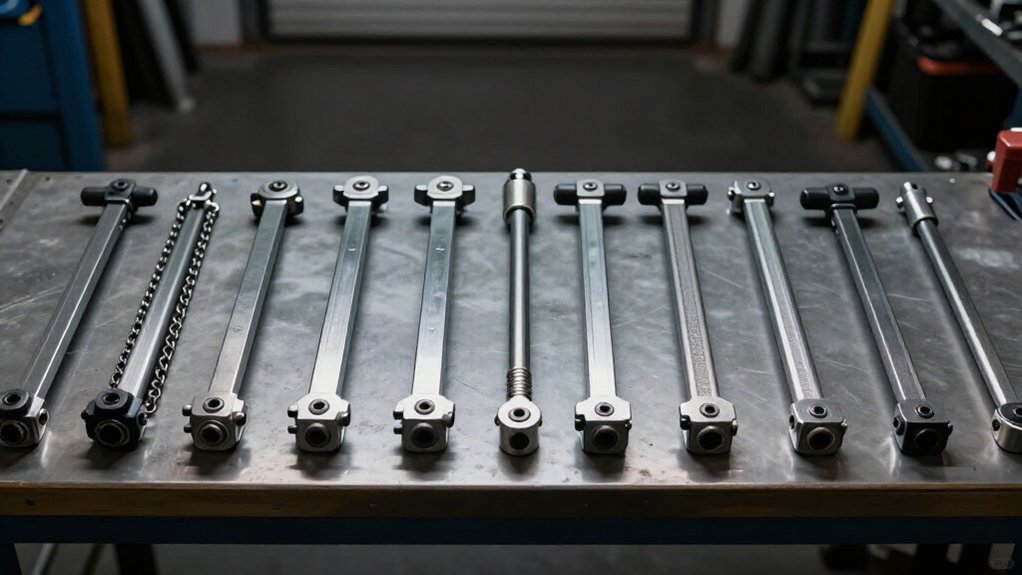
Choosing the best engine load leveler for 2026 starts with matching its rated capacity to your engine, lifting points, and hoist. For lighter jobs, consider 1,500-pound options from YELLOW JACKET, Big RED, or OTC; heavier lifts may call for 4,000-pound OMT, WINMAX, or ECUTEE models.
You’ll also find specialized designs, including Oberg’s chainless leveler.
Check tilt ratings, chain positions, and system limits before lifting. The guide ahead will help you compare features and choose confidently.
| YELLOW JACKET Engine Load Leveler 1500lbs Steel Engine Hoist |  | Best All-Around | Capacity: 1,500 lb | Adjustment: Handle and threaded shaft | Compatible Equipment: Engine hoists and shop cranes | VIEW LATEST PRICE | Read Our Analysis |
| Big RED 1500LBS Engine Load Leveler Engine Hoist Shop Crane Accessory |  | Best Value | Capacity: 1,500 lb | Adjustment: Crank handle and threaded shaft | Compatible Equipment: Engine hoists and shop cranes | VIEW LATEST PRICE | Read Our Analysis |
| OMT Engine Load Leveler 2 Ton 4000 lb Capacity Heavy Duty Shop Crane Hoist |  | Heavy-Duty Pick | Capacity: 4,000 lb | Adjustment: Crank handle | Compatible Equipment: Engine hoists, shop cranes, and cherry pickers | VIEW LATEST PRICE | Read Our Analysis |
| Big RED Torin 3/4-Ton Engine Load Leveler |  | Reliable Workhorse | Capacity: 1,500 lb | Adjustment: Handle and threaded shaft | Compatible Equipment: Engine hoists and shop cranes | VIEW LATEST PRICE | Read Our Analysis |
| OTC 4305 Engine Load Leveler – 1,500 lb. Capacity |  | Best for Precision | Capacity: 1,500 lb | Adjustment: Horizontal tilt adjustment | Compatible Equipment: Cranes or hoists | VIEW LATEST PRICE | Read Our Analysis |
| VIVOHOME Engine Load Leveler 5000 LBS Engine Hoist Shop Crane Accessory |  | Highest Capacity | Capacity: 5,000 lb | Adjustment: Crank handle and threaded rod | Compatible Equipment: Engine hoists, shop cranes, and cherry pickers | VIEW LATEST PRICE | Read Our Analysis |
| YELLOW JACKET Engine Hoist Shop Crane Engine Leveler 1500lbs |  | Easiest Adjustment | Capacity: 1,500 lb | Adjustment: Handle and threaded shaft | Compatible Equipment: Engine hoists and shop cranes | VIEW LATEST PRICE | Read Our Analysis |
| Oberg Chainless Engine Leveler 1-Ton Capacity | 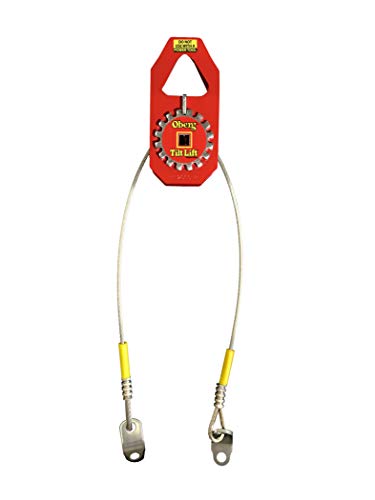 | Best Chainless Design | Capacity: 2,000 lb | Adjustment: Ratchet or breaker bar | Compatible Equipment: Hoists | VIEW LATEST PRICE | Read Our Analysis |
| WINMAX 4,000-Lb Engine Hoist Load Leveler Crane |  | Best for Stability | Capacity: 4,000 lb | Adjustment: One-handed crank handle | Compatible Equipment: Engine hoists, shop cranes, and cherry pickers | VIEW LATEST PRICE | Read Our Analysis |
| ECUTEE 2-Ton Engine Hoist Load Leveler (4000 lb) |  | Best for Engine Reinstallation | Capacity: 4,000 lb | Adjustment: Crank handle | Compatible Equipment: Engine hoists, shop cranes, and cherry pickers | VIEW LATEST PRICE | Read Our Analysis |
More Details on Our Top Picks
YELLOW JACKET Engine Load Leveler 1500lbs Steel Engine Hoist
The YELLOW JACKET offers all-around versatility for home mechanics who need to level engines of different sizes. Its 1,500-pound capacity helps you handle sports cars, SUVs, and varied engine sizes. Three chain mounting holes let you adapt chain positions to engine configurations, while the handle and threaded shaft help you balance the load.
Four 14-foot chains, each with an L-bracket assembly, come included. The steel body has a powder-coated finish that resists wear and corrosion. Use it in your garage, workshop, or for agricultural jobs. Packaging requires the handle to arrive reversed; reinstall it correctly before use now.
- Capacity:1,500 lb
- Adjustment:Handle and threaded shaft
- Compatible Equipment:Engine hoists and shop cranes
- Primary Use:Leveling engines during lifting
- Load Attachment:Four chains with L-brackets
- Color:Yellow
- Additional Feature:Powder-coated steel
- Additional Feature:Four 14-foot chains
- Additional Feature:Reversible handle setup
Big RED 1500LBS Engine Load Leveler Engine Hoist Shop Crane Accessory
For budget-minded DIYers, Big RED’s 1,500-pound leveler offers strong value with four chains, three mounting positions, and crank adjustment. Its rugged structural-steel frame supports up to 3/4 ton. Each 14-inch chain includes an L-bracket assembly to connect to your engine, while three mounting holes let you adapt the attachment points to different configurations.
Turn the crank handle to move the threaded shaft and balance the load with quick, controlled adjustments. You’ll need a compatible shop crane or hoist, since this leveler is an accessory rather than a lifting system on its own. Check your engine’s weight carefully before use.
- Capacity:1,500 lb
- Adjustment:Crank handle and threaded shaft
- Compatible Equipment:Engine hoists and shop cranes
- Primary Use:Balancing engine loads
- Load Attachment:Four chains with L-brackets
- Color:Red
- Additional Feature:Structural steel construction
- Additional Feature:Four 14-inch chains
- Additional Feature:L-bracket assemblies
OMT Engine Load Leveler 2 Ton 4000 lb Capacity Heavy Duty Shop Crane Hoist
OMT’s 2-ton load leveler is a heavy-duty pick for home mechanics balancing engines up to 4,000 pounds. Its capacity suits cars, trucks, SUVs, and small engine projects, while compatibility with hoists, shop cranes, and cherry pickers gives you flexible lifting options. Steel chains adjust to different lifting points and help keep the load steady.
Turn the crank handle to tilt an engine forward or backward as you align mounts or a transmission. AISI 1045 steel construction and corrosion-resistant finish support durability under heavy loads. When you finish, the compact leveler stores neatly in your garage or workshop between jobs.
- Capacity:4,000 lb
- Adjustment:Crank handle
- Compatible Equipment:Engine hoists, shop cranes, and cherry pickers
- Primary Use:Stabilizing and tilting engines
- Load Attachment:Adjustable steel chains
- Color:Blue
- Additional Feature:AISI 1045 steel
- Additional Feature:Corrosion-resistant finish
- Additional Feature:Compact storage
Big RED Torin 3/4-Ton Engine Load Leveler
BIG RED’s Torin T32100-2 is a reliable workhorse for home mechanics lifting engines up to 1,500 pounds. Its fully adjustable leveling function helps you balance an engine as you raise or position it. Turn the handle and threaded shaft to adjust the load, and choose among three chain-mount holes to suit different engine configurations.
The steel body has a wear- and corrosion-resistant powder-coated finish. You get four 14-inch chains, each with an L-bracket assembly. Use this 3/4-ton shop crane accessory for many car, SUV, and sports-car engines in your garage or workshop, or for agricultural jobs. Check your hoist’s capacity before lifting.
- Capacity:1,500 lb
- Adjustment:Handle and threaded shaft
- Compatible Equipment:Engine hoists and shop cranes
- Primary Use:Leveling engines during lifting
- Load Attachment:Four chains with L-brackets
- Color:Red
- Additional Feature:Powder-coated steel
- Additional Feature:Four upgraded chains
- Additional Feature:L-bracket assemblies
OTC 4305 Engine Load Leveler – 1,500 lb. Capacity
The OTC 4305 suits mechanics who need precise control when positioning bulky components. With a 1,500-pound capacity, this OTC leveler connects to a crane or hoist, letting you lift and handle large parts during service work. Its horizontal tilt adjustment helps you compensate for an off-center load, so you can bring the component closer to level before moving it.
You can also set an angle to guide placement, which is useful when an engine or other bulky assembly must clear surrounding parts. Choose this model when you need adjustable positioning, but confirm the load stays within its rated capacity.
- Capacity:1,500 lb
- Adjustment:Horizontal tilt adjustment
- Compatible Equipment:Cranes or hoists
- Primary Use:Positioning large, bulky components
- Load Attachment:Hooks to a crane or hoist
- Color:Black
- Additional Feature:Off-center load compensation
- Additional Feature:Set-angle adjustment
- Additional Feature:Handles bulky components
VIVOHOME Engine Load Leveler 5000 LBS Engine Hoist Shop Crane Accessory
For mechanics handling heavier engines, VIVOHOME’s 5,000-pound capacity makes this leveler a standout choice. It connects your crane to an engine or other heavy load, helping you lift, position, and install components securely. Two 21.7-inch support chains share the load, while reinforced jam nuts help prevent slippage or detachment.
Turn the crank handle to adjust the threaded shaft and control horizontal tilt with one hand. This helps you steady an engine and guide it toward transmission or engine mounts. The steel construction resists wear and corrosion, and its compact design travels easily between jobs. Use it with compatible engine hoists, shop cranes, or cherry pickers.
- Capacity:5,000 lb
- Adjustment:Crank handle and threaded rod
- Compatible Equipment:Engine hoists, shop cranes, and cherry pickers
- Primary Use:Lifting and positioning engines or transmissions
- Load Attachment:Two support chains
- Color:Red
- Additional Feature:2-inch extended beam
- Additional Feature:Reinforced jam nuts
- Additional Feature:21.7-inch support chains
YELLOW JACKET Engine Hoist Shop Crane Engine Leveler 1500lbs
YELLOW JACKET’s easiest adjustment suits home mechanics who need to balance varied engines with a long, ball-bearing handle and three chain-mount positions. Its threaded shaft helps you fine-tune the load once the leveler bears weight, while the three mounting holes let you reposition chains for different engine setups.
Rated for 1,500 pounds, this Torin-made leveler includes four 14-foot chains, each with an L-bracket assembly. You can use it for car, sports-car, or SUV engines in a garage, workshop, or agricultural setting.
The steel body has a powder-coated finish for wear and corrosion resistance. If the handle arrives reversed, disassemble it and reinstall it in the correct orientation before use.
- Capacity:1,500 lb
- Adjustment:Handle and threaded shaft
- Compatible Equipment:Engine hoists and shop cranes
- Primary Use:Balancing engine loads
- Load Attachment:Four chains with L-brackets
- Color:Yellow
- Additional Feature:Ball-bearing handle
- Additional Feature:Long handle
- Additional Feature:Reverse-installed handle
Oberg Chainless Engine Leveler 1-Ton Capacity
Oberg’s Tilt Lift puts a standout chainless design in reach of pro shops and serious DIY builders.
With a one-ton (2,000-pound) rating, it handles engine-and-transmission lifts together, and it’s tested to 6,000 pounds with a 3:1 safety factor. You control progressive tilt up to 45° in either direction using one hand and a ratchet or breaker bar.
The chainless cable and drum deliver smooth, precise adjustments without chain pinch points or slop.
Mounting cleats fit most common engine configurations, helping you work in tight bays. The Stricklin Companies have manufactured it since the 1990s; you get a one-year workmanship warranty. Lubricate it occasionally to keep operation smooth for years.
- Capacity:2,000 lb
- Adjustment:Ratchet or breaker bar
- Compatible Equipment:Hoists
- Primary Use:Leveling engines and transmissions
- Load Attachment:Chainless sling with mounting cleats
- Color:Red
- Additional Feature:Chainless sling design
- Additional Feature:Tested to 6,000 lb
- Additional Feature:One-year workmanship warranty
WINMAX 4,000-Lb Engine Hoist Load Leveler Crane
The WINMAX leveler suits mechanics who need stable support for engines weighing up to 4,000 pounds. Its corrosion-resistant steel construction is built for repeated shop use, while two sturdy chains connect the engine to your hoist, crane, or cherry picker. The paired chains help distribute weight and reduce swaying or slipping as you lift.
Turn the one-handed crank to adjust horizontal tilt, balance an off-center load, and guide the engine toward its mounts. You can use it indoors or outdoors when reinstalling engines or transmissions. For demanding lifts, confirm your crane and attachment setup can safely handle the load.
- Capacity:4,000 lb
- Adjustment:One-handed crank handle
- Compatible Equipment:Engine hoists, shop cranes, and cherry pickers
- Primary Use:Balancing and positioning engines
- Load Attachment:Two chains
- Color:Red
- Additional Feature:Corrosion-resistant steel
- Additional Feature:Two robust chains
- Additional Feature:Indoor-outdoor suitability
ECUTEE 2-Ton Engine Hoist Load Leveler (4000 lb)
When reinstalling an engine, ECUTEE’s 4,000-pound leveler suits mechanics who need steady positioning. Attach it between the engine block and your hoist, shop crane, or cherry picker to support lifting and reinstallation. Its structural-steel frame handles loads up to two tons, while two extra support chains help distribute weight and steady the engine at different angles.
You can turn the comfortable crank with one hand to fine-tune balance and tilt the assembly toward transmission and engine mounts. For larger engines, check chain length before lifting; you may need to adjust it. This leveler helps you guide components without shaking.
- Capacity:4,000 lb
- Adjustment:Crank handle
- Compatible Equipment:Engine hoists, shop cranes, and cherry pickers
- Primary Use:Stabilizing and positioning engines
- Load Attachment:Two support chains
- Additional Feature:Two support chains
- Additional Feature:One-hand crank operation
- Additional Feature:Adjustable chain length
Factors to Consider When Choosing Engine Load Levelers
When choosing an engine load leveler, match its capacity to your engine’s weight and confirm compatibility with your vehicle.
Check that the adjustment mechanism and chain configuration offer the control and fit you need. Durable materials help your leveler withstand repeated use.
Load Capacity
Start with a leveler rated to handle at least your engine’s weight, then allow a safety margin for off-center balancing. Common options include 1,500-pound (three-quarter-ton) models and 4,000- to 5,000-pound (two- to 2.5-ton) units. If you’re lifting a heavier engine, choose a higher-rated model to keep capacity in reserve as the load shifts.
Check what the published rating covers. Your leveler must support the engine at the intended tilt, not merely during a straight-up static pull. Account for the load you’ll handle, including a transmission if you’re lifting one with the engine; added or uneven weight increases stress. Compare the leveler’s rating with your hoist or crane’s capacity. The system’s limit is constrained by its weakest component, so don’t let the leveler become that point.
Engine Compatibility
Choose an engine leveler that fits your engine’s weight, lifting points, and shape. Confirm its rated capacity meets or exceeds the engine’s actual weight; common models may handle 1,500 pounds or 4,000 to 5,000 pounds.
Next, check the chain or cleat mounting pattern. Multiple hook positions, such as three-position chain holes, help you align attachments with your engine’s lifting bosses. Make sure the supplied chains are long enough to reach those locations and engage securely; some kits include different chain lengths for different engine sizes.
Consider how the leveler connects. Chains attached to the block and cleat or sling-style systems suit different setups. Choose a design that supports your engine’s geometry and off-center lifting points, so the load stays balanced and secure throughout lift.
Adjustment Mechanism
As the engine hangs, a crank handle on a threaded shaft lets you fine-tune its tilt and balance without re-rigging.
Look for a smooth, easy-to-turn crank you can operate with one hand. It helps you make small angle corrections while keeping the load supported. A continuous threaded adjustment gives you precise control, while stepped position settings can speed initial alignment.
Check that the mechanism includes reinforced jam nuts or comparable hardware to resist slippage as you adjust the suspended engine. You need enough travel in both forward and backward directions. That range lets you line up the engine for transmission reinstallation without forcing it off-center. Consider how easily you can reach and turn the crank in your workspace; cramped access can make fine adjustments slower.
Chain Configuration
When comparing engine load levelers, check whether they use two or four lift chains. A four-chain setup can spread the load across more engine attachment areas through multiple L-bracket or lift points, for better balance.
Look for three-position chain mount holes so you can reposition attachment points to match different engine shapes and lifting eye or bolt locations. Check that chains reach engine lift points without excessive slack, and confirm which hardware comes with the leveler, such as an L-bracket assembly.
Your chain system should share the load symmetrically; if a lift point sits off center, you may need to change chain positions to keep the lift stable. Check whether chain placement must change across engine configurations for controlled tilting and positioning.
Material Durability
After checking chain placement, assess the leveler’s materials and finish.
Look for heavy-duty structural steel; grades such as AISI 1045 help resist bending and deformation through repeated lifting cycles. Choose a powder-coated model to protect against wear and corrosion in a workshop.
Bare metal may deteriorate sooner when exposed to moisture and use.
Check that the body and reinforcing parts are described as reinforced or heavy-duty, so they can maintain structural integrity as you tilt and recenter an engine. Inspect the threaded shaft and crank assembly, too; durable steel components help prevent looseness or slipping during handling.
Weigh claims of wear resistance, corrosion resistance, and long service life against the leveler’s build quality. These details help you judge whether it can withstand frequent use.
Mounting and Fitment
Mounting and fitment determine whether a leveler connects securely to your engine and clears nearby components. Choose a model with adjustable chain mounts, such as three-position holes, so you can match common lifting-point layouts. Check that its four chains and L-bracket assemblies reach your block and avoid accessories, wiring, and other obstructions.
Before lifting, confirm the bracket geometry reaches both engine points without excessive slack or cross-loading. A leveler should let you adjust horizontal tilt, helping you balance the engine while it’s suspended.
Don’t assume every included chain suits every engine; verify reach and alignment for your setup. Also inspect the handle and hardware orientation. If the handle arrives reversed, reattach it correctly before use so you can operate the crank and tilt mechanism during mounting.
Frequently Asked Questions
How Do You Safely Attach an Engine Load Leveler to an Engine?
Attach the leveler only to manufacturer-approved lifting points, using rated bolts or chains. Inspect every component, secure all connections, center the load, then raise it slightly to check balance before you lift it fully and safely.
Can One Person Operate an Engine Load Leveler Safely?
Yes, you can operate one alone only if you’re trained, the leveler and hoist are rated, the engine is balanced and secured, and you can control movement without entering the suspended-load zone; otherwise, get help.
How Often Should an Engine Load Leveler Be Inspected?
Inspect your engine load leveler before every use, and don’t use it if you find cracks, bent parts, leaks, or worn chains.
Follow the manufacturer’s schedule for inspections, and recheck it after overloads or repairs.
What Should You Do if the Load Leveler Tilts Unevenly?
Stop lifting immediately and lower the engine safely if your load leveler tilts unevenly.
Don’t let anyone approach; secure it, then inspect the chains, hooks, and adjustment mechanism for damage or incorrect setup before resuming.
How Should an Engine Load Leveler Be Stored Between Uses?
Store your engine load leveler in a dry, clean place after you’ve inspected it. Lower the screw mechanism, relieve chain tension, and hang it securely where you can reach it without risking damage or corrosion.
Conclusion
Choose an engine load leveler based on your engine’s weight, your hoist’s capacity, and the adjustment range you need. A heavier-rated model can offer extra margin, but it won’t compensate for an undersized crane or poor setup.
Check the chains, hooks, threads, and handles before each lift, and follow the manufacturer’s instructions. When you match the leveler to your project and use it carefully, you’ll have better control during engine removal and installation, and help protect yourself, your vehicle, and your equipment.